Best practices for kitchen plumbing maintenance in Tahlequah
Learn essential kitchen plumbing maintenance practices in Tahlequah to keep your plumbing system running smoothly and prevent costly repairs.
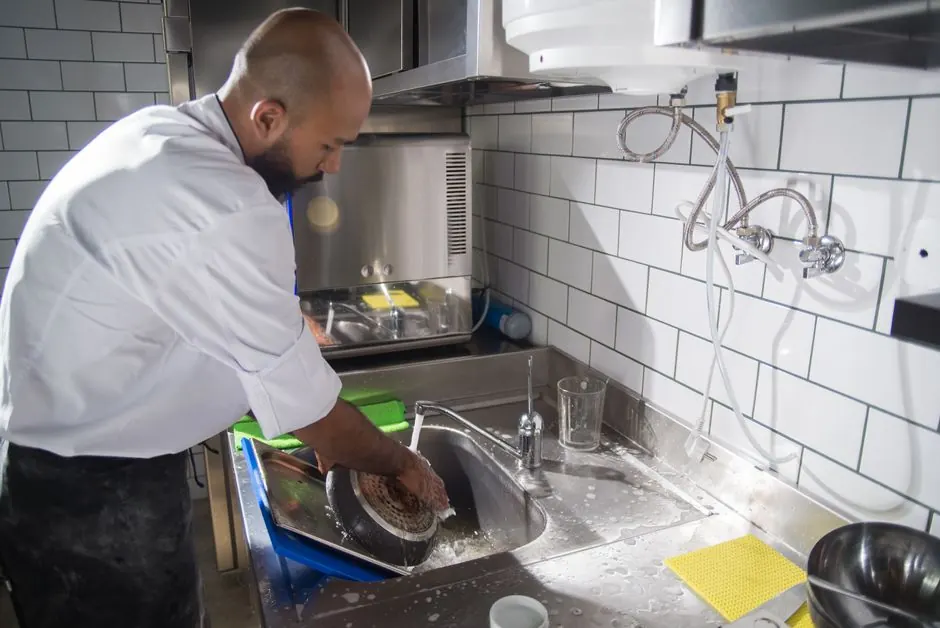
Kitchen plumbing maintenance is essential for preventing clogs and leaks, ensuring that your kitchen operates efficiently. Regular upkeep can save you from costly repairs and extend the lifespan of your plumbing fixtures. This article covers best practices for maintaining your kitchen plumbing in Tahlequah, including common issues, maintenance tips, and when to call a professional.
Kitchen plumbing maintenance is the process of regularly inspecting and servicing your kitchen's plumbing system to prevent problems like clogs, leaks, and water damage. Proper maintenance can enhance the performance and longevity of your plumbing fixtures.
Why is kitchen plumbing maintenance important?
Maintaining your kitchen plumbing is crucial for several reasons. First, it helps prevent water damage, which can lead to mold growth and structural issues in your home. Second, regular maintenance can improve water efficiency, reducing your utility bills. Lastly, it ensures that your plumbing system functions correctly, preventing inconvenient breakdowns.
What are the common kitchen plumbing issues?
Homeowners in Tahlequah often face specific kitchen plumbing issues, including:
- Clogged drains: Food particles, grease, and debris can accumulate in your kitchen sink, leading to slow drainage or complete blockages.
- Leaky faucets: Dripping faucets waste water and can indicate a larger issue, such as worn-out washers or corroded pipes.
- Running toilets: A malfunctioning toilet can waste gallons of water daily, increasing your water bill.
- Faulty garbage disposals: Jammed disposals can lead to unpleasant odors and slow drainage.
How to maintain your kitchen plumbing?
Regular maintenance can help you avoid the common issues mentioned above. Here are some best practices for maintaining your kitchen plumbing in Tahlequah:
- Inspect regularly: Check under the sink for leaks or signs of water damage. Look for rust, mold, or damp spots.
- Clean drains: Use a mixture of baking soda and vinegar to clear minor clogs and keep drains fresh. Avoid pouring grease down the drain.
- Test faucets: Run your faucets regularly to check for leaks. Replace washers and seals if you notice any dripping.
- Maintain garbage disposals: Run cold water while using the disposal and grind citrus peels to reduce odors.
- Know your shut-off valves: Familiarize yourself with the location of your shut-off valves in case of an emergency.
If you encounter persistent issues, consider scheduling drain cleaning in Tahlequah to ensure your plumbing remains in good condition.
What tools do you need for kitchen plumbing maintenance?
Having the right tools on hand can make kitchen plumbing maintenance easier. Here are some essential tools:
- Plumber's wrench: Useful for tightening or loosening fittings.
- Plunger: An essential tool for clearing minor clogs in sinks and toilets.
- Drain snake: Helps remove stubborn clogs deep within the plumbing system.
- Pipe wrench: Ideal for gripping and turning pipes during repairs.
- Bucket: Useful for catching leaks or excess water during repairs.
Common mistakes to avoid
While performing kitchen plumbing maintenance, avoid these common mistakes:
- Ignoring leaks: Small leaks can lead to bigger problems if left unaddressed.
- Poor disposal use: Avoid putting fibrous or starchy foods down the garbage disposal, as they can cause jams.
- Using chemical drain cleaners: These can damage pipes over time and are often ineffective against stubborn clogs.
When to call a professional
If your kitchen plumbing issues persist despite your best efforts, it may be time to call a professional. Clog Smash Plumber offers expert residential plumbing services in Tahlequah to tackle complex problems and ensure your plumbing system is in top shape.
Frequently Asked Questions
1. How often should I perform kitchen plumbing maintenance?
It's advisable to inspect your kitchen plumbing every six months and perform cleaning as needed to prevent clogs.
2. What should I do if my sink is clogged?
Try using a plunger or drain snake first. If that doesn't work, consider scheduling drain cleaning in Tahlequah for professional assistance.
3. How can I prevent leaks in my kitchen plumbing?
Regularly check for signs of wear on hoses and fittings, and replace any worn components immediately.
4. Should I use chemical drain cleaners?
Avoid chemical cleaners as they can damage your plumbing. Opt for natural solutions like baking soda and vinegar instead.
5. What are signs I need to call a plumber?
If you notice persistent leaks, frequent clogs, or low water pressure, it's time to call a professional.