How to detect leaks in your plumbing system
Detecting leaks in your plumbing system is crucial for preventing costly damage. This guide offers practical tips for homeowners in Tahlequah.
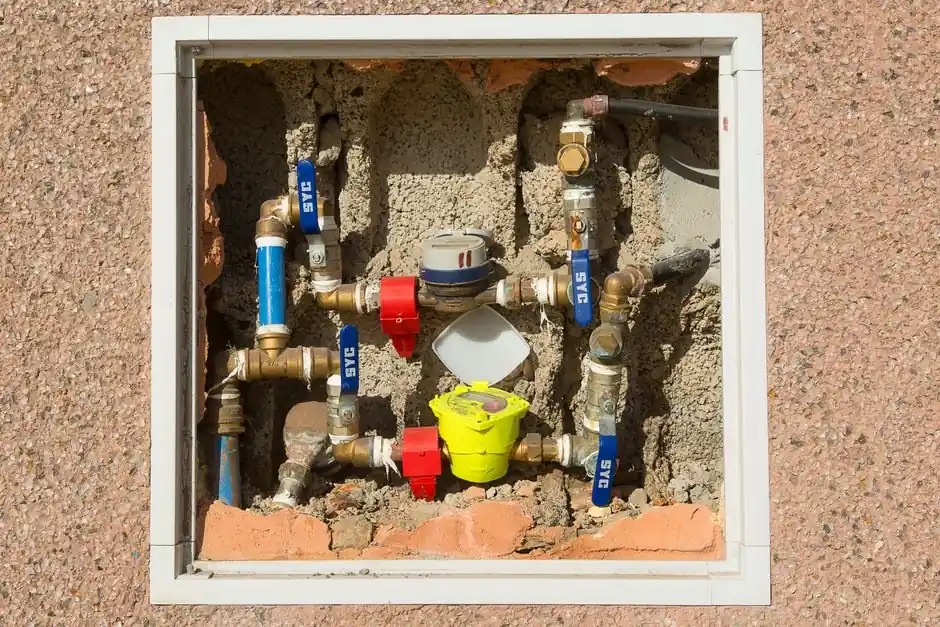
Detecting leaks in your plumbing system is essential for preventing water damage and costly repairs. Homeowners in Tahlequah can utilize several methods to identify leaks early, ensuring their plumbing remains in good condition. This guide will cover the signs of leaks, methods for detection, and when to seek professional help.
Leak detection is the process of identifying unwanted water escape from plumbing systems. It is crucial for maintaining the integrity of your home and preventing extensive water damage.
What is leak detection?
Leak detection involves identifying and locating leaks within plumbing systems, whether they are visible or hidden. This process can save homeowners significant amounts of money by addressing issues before they escalate into larger problems. In Tahlequah, where older plumbing systems are common, regular leak detection can be particularly beneficial.
Signs of leaks in your plumbing system
Several signs can indicate a leak in your plumbing system. Being aware of these can help you catch problems early:
- Increased water bills: A sudden spike in your water bill without an increase in usage may indicate a leak.
- Water stains: Discoloration on walls, ceilings, or floors can signal that water is escaping from pipes.
- Mold or mildew: The presence of mold in areas where moisture should not be is a clear sign of a leak.
- Sound of running water: If you hear water running when no taps are open, it could mean a hidden leak.
- Wet spots: Puddles or damp areas on floors or around fixtures can indicate a leak nearby.
How to find leaks in your plumbing
Finding leaks in your plumbing system can be done through several methods:
1. Visual Inspection
Start with a thorough visual inspection of exposed pipes. Look for signs of corrosion, rust, or moisture. Check under sinks, around toilets, and near water heaters.
2. Monitor Water Meter
Turn off all water sources in your home and check your water meter. If the meter continues to run, you likely have a leak somewhere in your system.
3. Use Food Coloring
For toilet leaks, add a few drops of food coloring to the tank. If the color appears in the bowl after 30 minutes without flushing, you have a leak.
4. Professional Leak Detection Services
For more complex issues, consider hiring a professional for leak detection and repair. They use advanced technology, such as acoustic sensors and infrared cameras, to locate leaks effectively.
Common mistakes to avoid
When trying to detect leaks, homeowners often make several common mistakes:
- Ignoring small leaks: Small leaks can lead to significant damage over time. Address them promptly.
- Neglecting regular inspections: Regular plumbing inspections can help catch leaks before they become severe.
- Assuming it's just condensation: Condensation can appear similar to leaks, but it's essential to investigate any moisture.
When to call a professional
If you suspect a leak but cannot locate it, or if you find a significant leak, it's time to call a professional. Clog Smash Plumber offers reliable Emergency Plumbing Services Tahlequah OK for urgent situations. Our team can efficiently identify and repair leaks to prevent further damage.
Frequently asked questions
1. How can I tell if I have a leak? You may notice increased water bills, damp spots, or water stains on walls and ceilings.
2. What should I do if I find a leak? Turn off the water supply to the affected area and contact a plumbing professional for assistance.
3. How much does leak detection cost? In 2026, leak detection services typically range from $100 to $300, depending on the complexity of the issue.
4. Can I fix a leak myself? Minor leaks can sometimes be fixed with DIY methods, but for significant leaks, professional help is recommended.
5. How often should I check for leaks? It's advisable to inspect your plumbing system at least once a year, especially in older homes.